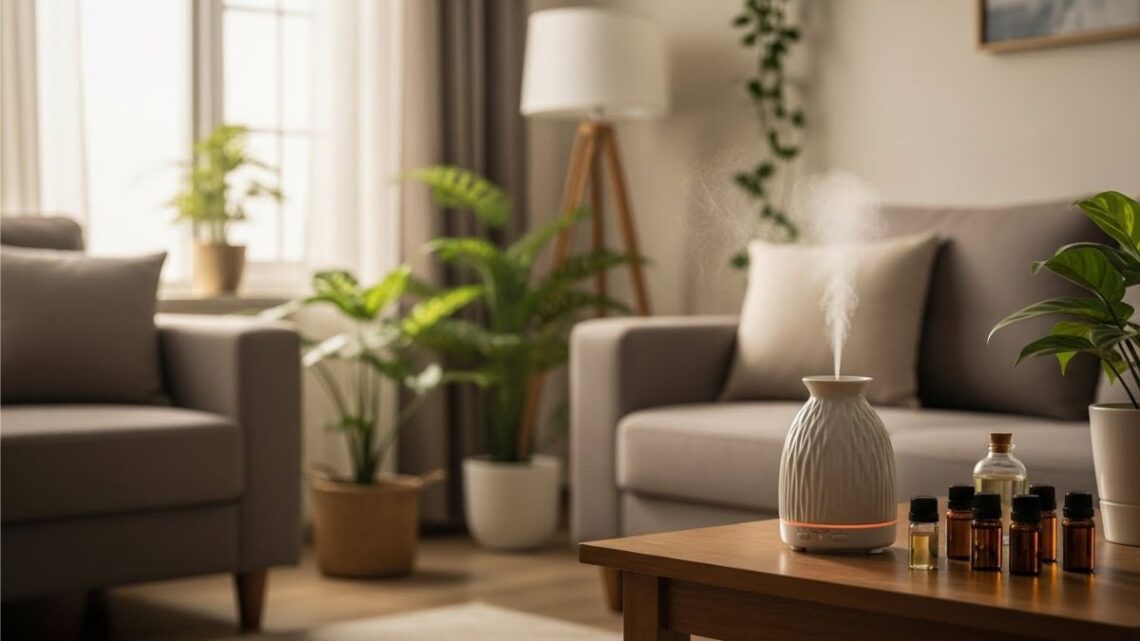
The Complete Guide to Making Your Home Smell Amazing with Essential Oils
Most commercial air fresheners contain synthetic fragrances, phthalates, and volatile organic compounds (VOCs) that can irritate your respiratory system. A study by the Environmental Working Group found that many popular air fresheners contain chemicals not listed on their labels.
Essential oils offer a natural alternative. They’re derived from plants through distillation or cold pressing, retaining the natural aromatic compounds without harmful additives. For Indian homemakers concerned about family health, this makes essential oils a safer choice for daily use.
Beyond safety, essential oils provide therapeutic benefits. While a chemical freshener only masks odors, oils like tea tree and eucalyptus actually purify the air by reducing airborne bacteria. This dual action—fragrance plus wellness—makes them ideal for homes where children play and families gather.
Best Essential Oils That Make Your Room Smell Incredible
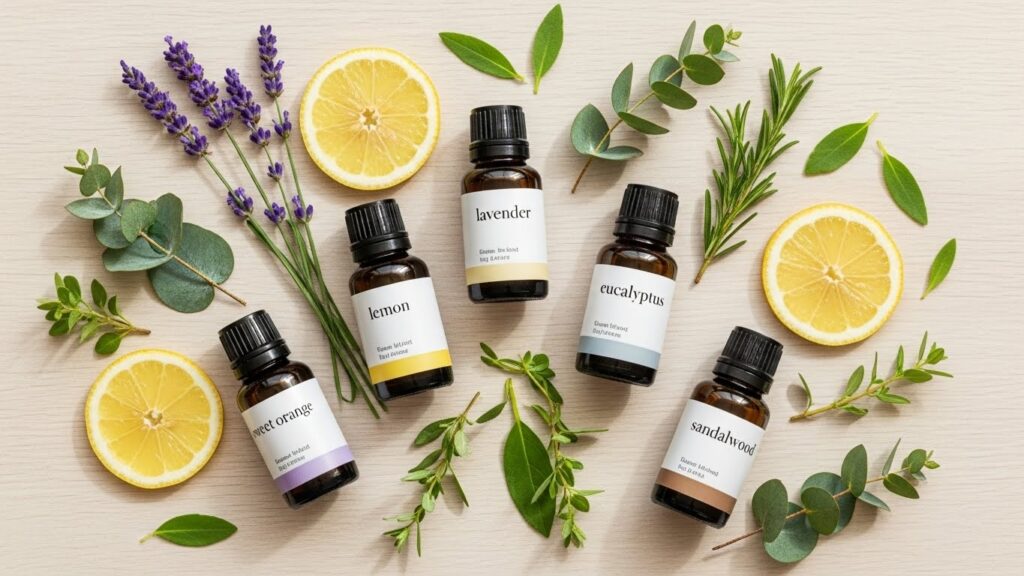
Top 10 Essential Oils for Home Fragrance
| Essential Oil | Scent Profile | Best For | Mood Effect |
| Lavender | Floral, calming | Bedrooms, meditation spaces | Reduces stress and anxiety |
| Lemon | Citrus, fresh | Kitchens, bathrooms | Energizing and uplifting |
| Eucalyptus | Minty, clean | Living rooms, office | Mental clarity and focus |
| Peppermint | Cool, refreshing | Entryways, workout areas | Invigorating and alerting |
| Sweet Orange | Sweet citrus | Children’s rooms, dining areas | Cheerful and comforting |
| Sandalwood | Woody, warm | Bedrooms, prayer rooms | Grounding and calming |
| Tea Tree | Medicinal, fresh | Bathrooms, laundry rooms | Antibacterial properties |
| Jasmine | Floral, exotic | Bedrooms, living spaces | Romantic and soothing |
| Rosemary | Herbal, sharp | Study rooms, offices | Improves concentration |
| Cedarwood | Woody, earthy | Closets, storage areas | Repels insects naturally |
Single Note vs. Blended Fragrances
Beginners often start with single essential oils to understand individual scents. Lavender alone creates a peaceful bedroom atmosphere, while lemon brings kitchen freshness. This approach helps you identify your family’s preferences without overwhelming choices.
As you gain confidence, blending oils creates complex, signature scents. Try combining 3 drops lavender + 2 drops lemon + 1 drop peppermint for a balanced, all-purpose home fragrance. The key is understanding scent families: florals (lavender, jasmine), citrus (lemon, orange), woods (sandalwood, cedarwood), and herbs (rosemary, basil).
Indian homes particularly benefit from blends that complement traditional cooking aromas. A mix of sandalwood and orange can harmonize beautifully with the spices from your kitchen, rather than clash with them.
Commercial benefit: Quality essential oil sets with complementary scents let you experiment affordably, discovering blends that become your home’s signature fragrance.
How to Use Essential Oils as Room Fresheners: 5 Proven Methods
Method 1: Essential Oil Diffusers (Most Popular)
Ultrasonic diffusers are the most effective way to disperse essential oils throughout your home. They use water and ultrasonic vibrations to create a fine mist that carries the oil’s aroma and therapeutic properties into the air.
How to use:
- Fill the diffuser’s water tank to the indicated line (usually 100-300ml)
- Add 3-5 drops of essential oil for small rooms (up to 150 sq ft)
- Add 7-10 drops for larger spaces (150-300 sq ft)
- Run for 30-60 minutes, then allow a break
For Indian homes with open floor plans, place diffusers in central locations. During monsoon season when dampness brings musty odors, run eucalyptus or tea tree oil diffusers for their antimicrobial properties.
Nebulizing diffusers don’t use water and deliver a more concentrated scent. They’re ideal for larger homes but consume oil faster. Reed diffusers offer passive, continuous fragrance without electricity—perfect for prayer rooms or reading corners.
Commercial benefit: A good quality diffuser is a one-time investment that eliminates the need for monthly air freshener purchases, paying for itself within 6-8 months.
Method 2: DIY Essential Oil Room Spray
Room sprays offer instant fragrance and portability. You can target specific areas—bathroom odors, musty cupboards, or post-cooking kitchen smells—with a few spritzes.
Basic Room Spray Recipe:
- 30ml distilled water
- 10ml witch hazel or vodka (helps oils dissolve)
- 15-20 drops essential oil
- Glass spray bottle (amber or cobalt to protect oils from light)
Instructions:
- Pour witch hazel into the bottle first
- Add essential oil drops
- Shake gently to combine
- Add distilled water
- Shake before each use
The alcohol helps essential oils mix with water, preventing separation. Without it, oils float on top and won’t spray evenly. If you prefer alcohol-free options, use a vegetable glycerin (10ml) instead, though this creates a slightly heavier spray.
For Indian households, create targeted sprays: tulsi and lemon for pooja rooms, eucalyptus and peppermint for bathrooms, and orange-cinnamon blends for living areas during festivals.
Commercial benefit: One 10ml bottle of essential oil makes approximately 10-12 room sprays, costing less than ₹30 per bottle compared to ₹150+ for commercial sprays.
Method 3: Cotton Ball or Tissue Method
This is the simplest method requiring zero equipment—perfect for beginners or those testing new scents. It’s also ideal for small, enclosed spaces like cupboards, cars, or drawers.
How to use:
- Place 5-8 drops of essential oil on a cotton ball
- Position it in the desired location
- Replace every 3-5 days as the scent fades
For cupboards, place lavender or cedarwood cotton balls in corners to repel moths while adding fragrance. In cars, secure the cotton ball in air vents using a small clip or mesh pouch. For shoe racks, tea tree and lemon oil cotton balls combat odor and bacteria.
This method works excellently in bathrooms. Place eucalyptus-scented cotton balls near the shower; the steam releases the aroma. Many Indian homemakers use this trick during guests visits for instant freshness without visible devices.
Method 4: Simmer Pot Method
Traditional and aromatic, simmer pots (stovetop potpourri) combine essential oils with herbs, spices, and citrus peels. This method fills your entire home with fragrance through natural evaporation.
Classic Indian-Inspired Simmer Pot:
- 2 cups water in a small pot
- 3-4 drops sandalwood essential oil
- 2-3 orange peels
- 1 cinnamon stick
- 4-5 cloves
- 2-3 cardamom pods
Bring to a boil, then reduce to a simmer. Add water as it evaporates. The combination of fresh spices and essential oils creates a welcoming aroma that’s particularly inviting during festivals or when hosting guests.
For daily use, try simpler combinations: lemon oil with fresh tulsi leaves, or eucalyptus oil with a few drops of camphor water. The steam carries fragrance more effectively than cold diffusion, making this ideal for larger homes or open-concept spaces.
Safety note: Never leave simmer pots unattended. Turn off the stove if you leave the kitchen.
Method 5: Fabric Refresher Spray
Upholstery, curtains, and carpets absorb cooking odors and dampness. A fabric-safe essential oil spray keeps textiles fresh between deep cleaning.
Fabric Spray Recipe
- 50ml distilled water
- 1 tablespoon baking soda (odor neutralizer)
- 10 drops essential oil (lavender, lemon, or tea tree)
- Glass spray bottle
Instructions
- Dissolve baking soda in warm water
- Let it cool completely
- Add essential oils
- Shake vigorously before each use
- Test on hidden fabric area first
- Spray lightly from 6-8 inches away
This works beautifully on sofas after cooking sessions, bedroom curtains weekly, and carpets between vacuuming. For Indian homes where sitting on floor cushions is common, a light mist of lavender-lemon spray keeps them fresh and inviting.
Avoid over-saturating fabrics. The goal is a light mist that dries within minutes, leaving only fragrance behind.
Commercial benefit: This replaces commercial fabric fresheners that often contain harsh chemicals, saving money while protecting your family from synthetic fragrances.
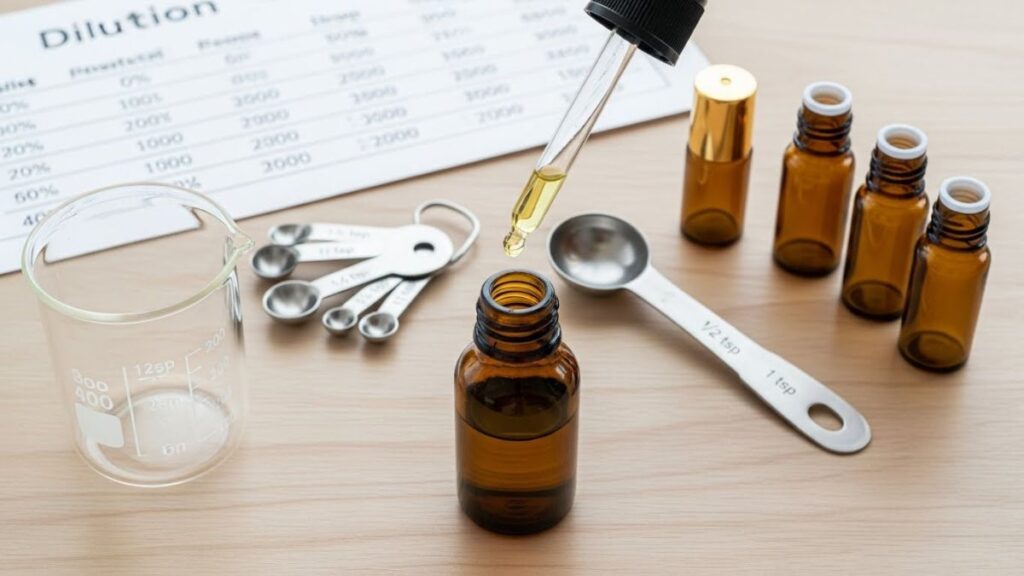
Understanding Essential Oil Dilution: Stay Safe While Smelling Great
The 20-30-50 Rule for Essential Oil Blending
The 20-30-50 rule is a foundational principle in aromatherapy for creating balanced, long-lasting scent blends. It refers to the proportion of top, middle, and base notes in your fragrance.
The breakdown
- 20% Top notes (first scent you smell, evaporates quickly): Citrus oils like lemon, orange, grapefruit; also peppermint and eucalyptus
- 30% Middle notes (heart of the blend, lasts 2-4 hours): Lavender, rosemary, chamomile, geranium
- 50% Base notes (anchors the scent, lasts longest): Sandalwood, cedarwood, patchouli, frankincense
Example blend for 10ml total:
- 2ml (20%) sweet orange (top note)
- 3ml (30%) lavender (middle note)
- 5ml (50%) sandalwood (base note)
This creates a well-rounded fragrance that reveals itself in layers. The orange greets you immediately, the lavender develops after a few minutes, and the sandalwood lingers for hours. Without proper proportions, your blend might smell overwhelming initially but disappear quickly, or smell weak at first but become overpowering later.
For practical home use in diffusers, translate this to drops: 2 drops top note + 3 drops middle note + 5 drops base note for a 10-drop total blend.
Dilution Ratios for Different Applications
Proper dilution protects your skin and prevents overwhelming scents. Essential oils are highly concentrated—a single drop can contain the equivalent of dozens of plants.
Standard dilution guide
| Application | Dilution Rate | Example (10ml carrier) |
| Room spray | 3-5% | 15-25 drops |
| Diffuser | Pure to 2% | 3-10 drops in 100ml water |
| Body lotion | 2-3% | 10-15 drops |
| Fabric spray | 1-2% | 5-10 drops |
| Cleaning products | 5-10% | 25-50 drops |
For room sprays, higher concentrations (4-5%) work well because you’re spraying into air, not onto skin. The fragrance dissipates quickly, so you want enough oil to be noticeable.
Diffusers need less oil than you might think. Start with 3 drops in a 100ml water tank. You can always add more, but you can’t remove excess. Many beginners over-oil their diffusers, creating headaches instead of relaxation.
Safety tip for Indian homes: If you have elderly family members or young children, reduce concentrations by 50%. Their sensitivity to scents is typically higher.
Room-by-Room Essential Oil Guide for Indian Homes
Living Room & Main Areas
Your living room welcomes guests and hosts family gatherings. The fragrance should be universally pleasant, not too strong, and reflect warmth.
- Best oils: Sweet orange, lavender, sandalwood
- Suggested blend: 3 drops sweet orange + 2 drops sandalwood + 1 drop lavender
Place a diffuser on a side table away from direct seating to avoid concentrated exposure. Run it 30 minutes before guests arrive, then switch to intermittent mode (30 minutes on, 30 minutes off) during the gathering.
For homes where everyone removes shoes at the entrance, keep a small dish of pumice stones infused with lemon and tea tree oil near the shoe rack. Add 5-6 drops to the stones weekly. This subtly freshens the entryway without obvious air freshener devices.
During festivals, switch to traditional scents. A sandalwood-rose-jasmine blend creates an auspicious atmosphere that complements incense rather than competing with it.
Kitchen & Dining Areas
Kitchens face unique challenges—strong cooking odors, high humidity, and frequent temperature changes. Essential oils here must cut through food smells without clashing with them.
- Best oils: Lemon, grapefruit, peppermint, tea tree
- Suggested blend: 4 drops lemon + 2 drops peppermint
Use a room spray rather than a diffuser in kitchens, as steam and heat can affect diffuser performance. Keep a spray bottle near the stove for quick freshening after cooking fish, frying, or using strong spices.
Create a kitchen sink refresher by adding 3-4 drops of lemon oil to your dish soap dispenser. Each time you wash dishes, a subtle citrus scent releases. You can also place lemon-infused cotton balls inside the cabinet under the sink to combat dampness and musty odors.
For the refrigerator, place a small open container of baking soda with 3-4 drops of lemon or grapefruit oil on the top shelf. This absorbs odors while releasing freshness. Replace monthly.
Bedrooms & Sleep Spaces
Bedroom fragrances should promote relaxation and sleep quality. Avoid stimulating scents like peppermint or rosemary, which can interfere with rest.
- Best oils: Lavender, chamomile, sandalwood, cedarwood
- Suggested blend: 3 drops lavender + 2 drops cedarwood + 1 drop chamomile
Run your diffuser 30-60 minutes before bedtime, then turn it off. Sleeping with a diffuser running all night can cause fragrance fatigue and disrupt sleep for some people. The lingering scent is sufficient for most bedrooms.
Create a pillow mist using 10ml distilled water, 5ml witch hazel, and 8 drops lavender oil. Spray lightly on pillowcases (not directly on pillows) 10 minutes before bed. The fabric absorbs the scent, releasing it gradually as you sleep.
For children’s rooms, halve all essential oil amounts. Lavender and chamomile are generally safe for children over 2 years. Always ensure adequate ventilation and never apply oils directly to children’s skin or bedding.
Bathrooms & Powder Rooms
Bathrooms need powerful, clean-smelling oils that combat moisture, bacteria, and odors effectively.
- Best oils: Eucalyptus, tea tree, peppermint, lemon
- Suggested blend: 3 drops eucalyptus + 2 drops tea tree + 2 drops lemon
Place a small diffuser on a shelf away from direct water contact. For guest bathrooms, a reed diffuser offers continuous fragrance without needing electricity or attention.
Create a toilet bowl freshener by combining 1 cup baking soda, ½ cup citric acid, and 15 drops each of tea tree and lemon oil. Mix dry, then store in a sealed container. Drop 2 tablespoons into the toilet bowl before guests arrive. It fizzes like a bath bomb while releasing fragrance and cleaning properties.
For shower stalls, hang a eucalyptus bundle from the showerhead (you can add 3-4 drops of eucalyptus oil to enhance it). The steam releases the aroma, creating a spa-like experience while clearing sinuses.
Home Office & Study Areas
Workspaces need fragrances that promote focus, mental clarity, and energy without causing distraction.
- Best oils: Rosemary, peppermint, lemon, basil
- Suggested blend: 3 drops rosemary + 2 drops lemon + 1 drop peppermint
Research published in the International Journal of Neuroscience found that rosemary aroma enhanced memory and alertness. For students preparing for exams or professionals working from home, this blend supports cognitive function.
Use a small desktop diffuser that runs on USB power. Run it in 60-minute intervals—60 minutes on, 30 minutes off—to prevent olfactory fatigue. Your nose stops registering constant scents after prolonged exposure.
For quick energy boosts during afternoon slumps, keep a roll-on blend ready: 10ml carrier oil with 5 drops peppermint and 5 drops rosemary. Roll onto pulse points (wrists, temples) when focus wavers.
Commercial benefit: Dedicated essential oil blends for specific rooms mean you’re creating targeted solutions rather than one-size-fits-all approaches, maximizing both effectiveness and value.
Common Mistakes to Avoid When Using Essential Oils at Home
Mistake 1: Using Too Much Oil
More drops don’t mean better fragrance. Overuse causes headaches, nausea, and respiratory irritation. It also wastes expensive oils and creates scent fatigue, where your nose stops registering the fragrance.
The fix: Start with 3 drops in a diffuser. Wait 20 minutes. If you can’t smell it, add 1-2 more drops. Most people find their sweet spot between 4-6 drops for 100ml water tanks.
For room sprays, stick to the 15-20 drops per 30ml ratio. Stronger isn’t better—it’s overwhelming.
Mistake 2: Skipping Carrier Oils or Dilution
Never apply undiluted essential oils directly to skin or fabrics. Undiluted oils can cause burns, stains, or sensitization (developing allergies over time).
The fix: Always dilute in carrier oils (coconut, jojoba, sweet almond) for skin applications. For fabrics, use water-based solutions with proper emulsifiers (witch hazel, alcohol, or glycerin).
When making DIY products, write down your dilution ratios. This helps you recreate successful blends and troubleshoot if something goes wrong.
Mistake 3: Leaving Diffusers Running Continuously
Continuous diffusion for 6-8 hours isn’t beneficial. It wastes oil, causes olfactory fatigue, and can trigger respiratory sensitivity in some people.
The fix: Use interval settings. Most quality diffusers offer intermittent modes (30 seconds on, 30 seconds off) or timer functions. Run diffusers for 30-60 minutes, then allow 2-3 hours of rest before running again.
Think of essential oils like music—pleasant at moderate volumes for reasonable durations, but exhausting if too loud or constant.
Mistake 4: Storing Oils Incorrectly
Essential oils degrade when exposed to light, heat, or air. Clear bottles on sunny windowsills might look pretty, but they destroy your oils within weeks.
The fix:
- Store in dark amber or cobalt blue glass bottles
- Keep in cool, dark places (not bathroom cabinets—too humid)
- Close caps tightly immediately after use
- Write opening dates on bottles (citrus oils last 1-2 years; most others last 3-5 years)
For Indian climates, consider storing oils in the refrigerator during summer months. Bring to room temperature before use.
Mistake 5: Ignoring Safety Around Pets
Many essential oils toxic to pets—especially cats and birds—include tea tree, eucalyptus, peppermint, and citrus oils. Even diffused oils can harm them.
The fix: If you have pets, research pet-safe oils (lavender and chamomile are generally safer). Ensure rooms where you diffuse have good ventilation and that pets can leave the space if they choose. Never apply oils to pet bedding or collars.
Consult your veterinarian before using essential oils in homes with pets.
How to Make Your Home Smell Good All Day: Practical Tips
Layer Your Fragrances
Fragrance layering means using multiple methods simultaneously for depth and longevity. Instead of relying solely on a diffuser, combine methods for all-day freshness.
Morning routine:
- Run citrus diffuser blend (lemon + grapefruit) for 30 minutes while you prepare breakfast
- Use lemon fabric spray on sofa cushions as you tidy
- Place rosemary-peppermint cotton balls in your study
Afternoon refresh:
- Spray lavender-eucalyptus room spray in high-traffic areas
- Run simmer pot with sandalwood and spices during chai time
Evening wind-down:
- Switch to calming lavender-cedarwood diffuser blend
- Use pillow mist in bedrooms
This creates a natural fragrance evolution throughout the day, preventing single-scent boredom while addressing different needs at different times.
Address Odor Sources, Don’t Just Mask Them
Essential oils work best when you eliminate odor causes first. No amount of fragrance can overcome underlying cleanliness issues.
Practical odor elimination
- Empty trash bins daily and sprinkle 2-3 drops of tea tree oil in the bottom of clean bins
- Wash kitchen drain weekly with baking soda + vinegar, then pour boiling water with lemon oil
- Air out bathrooms for 10-15 minutes daily, even in monsoon
- Wash curtains and upholstery covers monthly
- Use exhaust fans while cooking
Once sources are addressed, essential oils enhance rather than mask. Tea tree and eucalyptus oils also have natural antibacterial properties, actually helping neutralize odors rather than covering them.
Rotate Your Scents Regularly
Your nose adapts to constant scents within 3-5 days through a process called olfactory adaptation. Even your favorite fragrance becomes “invisible” if you use it continuously.
The fix: Create a weekly rotation:
- Monday-Tuesday: Citrus blends (energizing start to the week)
- Wednesday-Thursday: Herbal blends (midweek focus)
- Friday-Saturday: Floral or warm blends (weekend relaxation)
- Sunday: Light, clean scents (preparation for the week ahead)
This keeps your home smelling consistently fresh to both residents and visitors. Your nose rediscovers each scent when you return to it.
Use Natural Odor Absorbers with Essential Oils
Baking soda, activated charcoal, and zeolite rocks naturally absorb odors. Enhance them with essential oils for dual action.
DIY odor absorbers:
- Mix 1 cup baking soda with 10-12 drops essential oil
- Spread on a plate to dry completely (24 hours)
- Store in decorative jars with perforated lids
- Place in closets, under sinks, near litter boxes, or in cars
Replace monthly. This is particularly effective in monsoon season when dampness brings musty odors to Indian homes.
Commercial benefit: These absorbers cost ₹30-40 to make but last as long as commercial products costing ₹200+, while offering natural ingredients and customizable scents.
Budget-Friendly Ways to Make Your House Smell Good with Essential Oils
Start Small: The Essential Starter Kit
You don’t need 30 different oils. Begin with four versatile oils that cover most needs:
- Lavender (relaxation, sleep, all-purpose)
- Lemon (freshness, cleaning, energy)
- Eucalyptus (clarity, respiratory health, cleanliness)
- Peppermint (alertness, digestive comfort, cooling)
These four oils create dozens of combinations and address 90% of home fragrance needs. Purchase 10ml bottles of each (₹300-500 per bottle for quality oils). This initial investment of ₹1,200-2,000 provides 3-4 months of regular use.
DIY vs. Store-Bought: Cost Comparison
Commercial air freshener:
- Automatic spray refill: ₹350 per bottle (lasts 30 days)
- Annual cost: ₹4,200
Essential oil approach:
- Initial investment: ₹2,500 (4 oils + 1 diffuser)
- Monthly refill cost: ₹200-300 (replacing oils as needed)
- Annual cost: ₹4,900 first year, ₹2,400-3,600 subsequent years
While first-year costs are comparable, subsequent years save 40-60%. Plus, you avoid chemical exposure and gain therapeutic benefits beyond just fragrance.
Multipurpose Use Saves Money
Essential oils aren’t just for home fragrance. Use the same bottles for:
- Cleaning products (lemon + vinegar = powerful degreaser)
- Personal care (lavender in bath water, peppermint for headaches)
- Laundry (eucalyptus for freshness, tea tree for antimicrobial action)
- First aid (diluted tea tree for minor cuts, lavender for minor burns)
This multipurpose flexibility means your fragrance oils pull double or triple duty, increasing value dramatically.
Extend Oil Life with Smart Usage
Make your oils last longer without sacrificing results:
Smart strategies:
- Use intermittent diffuser settings rather than continuous
- Create blends where expensive base notes (sandalwood, frankincense) are only 20-30% of the mix
- Store properly to prevent degradation
- Use targeted application (cotton balls in small spaces) rather than whole-room diffusion for minor issues
- Buy larger bottles (30ml vs 10ml) when you’ve identified favorites—per-ml cost drops significantly
Budget tip for Indian households: During festival seasons when you use more fragrance, plan ahead. Buying oils 1-2 months in advance during sales periods can save 20-30%.
Seasonal Essential Oil Blends for Indian Climate
Monsoon Season (June-September)
Humidity brings dampness, mold, and musty odors. Focus on oils with antimicrobial properties and fresh, penetrating scents.
Monsoon freshness blend:
- 3 drops eucalyptus
- 2 drops tea tree
- 2 drops lemon
- 1 drop peppermint
This combination fights mold spores, neutralizes dampness smell, and creates a clean, crisp atmosphere. Run diffusers more frequently (3-4 times daily for 30 minutes each) during heavy rain days.
Add tea tree oil to laundry rinse water (5-6 drops per load) to prevent mildew on clothes that dry slowly indoors during monsoon.
Summer Season (March-June)
Heat intensifies all odors and makes heavy fragrances uncomfortable. Choose cooling, light scents.
Summer cooling blend:
- 4 drops peppermint
- 2 drops lemon
- 1 drop eucalyptus
This blend creates a psychologically cooling effect. Peppermint triggers cold receptors in your nose, making rooms feel 2-3 degrees cooler.
Create a body mist using this blend (10 drops total in 50ml distilled water with 10ml witch hazel). Spray on pulse points or back of neck during afternoon heat.
Winter Season (November-February)
Winter calls for warming, comforting scents that create coziness. Heavier base notes work beautifully.
Winter warmth blend:
- 3 drops sandalwood
- 2 drops sweet orange
- 2 drops cinnamon (use sparingly—it’s strong)
- 1 drop clove
This combination smells like traditional Indian spiced sweets and creates a inviting, warm atmosphere. Perfect for evening gatherings and festival celebrations.
For cold and flu season, switch to a protective blend: 3 drops eucalyptus + 2 drops tea tree + 2 drops rosemary. This supports respiratory health while maintaining pleasant fragrance.
Festival-Ready Blends
Diwali/Festive occasions:
- 3 drops sandalwood
- 2 drops jasmine
- 2 drops rose
- 1 drop frankincense
This traditional, auspicious blend complements incense and agarbatti without competing. It creates layers of fragrance that feel celebratory and sacred.
Holi/Spring celebrations:
- 3 drops sweet orange
- 2 drops ylang ylang
- 2 drops lemon
- 1 drop rose
Bright, joyful, and floral—matching the energetic spirit of spring festivals.
Making your home smell amazing with essential oils is both an art and a science. Start with basic methods—a simple diffuser and 3-4 versatile oils. As you gain confidence, experiment with blends that reflect your family’s personality and your home’s unique character.
Remember that the best home fragrance is subtle, not overwhelming. Your goal is creating an atmosphere that enhances comfort rather than announces itself. Guests should leave thinking “their home feels so peaceful and welcoming,” not “what’s that strong smell?”
Quality essential oils are an investment in your family’s wellness, not just home fragrance. By choosing natural options over chemical air fresheners, you’re creating a healthier environment while enjoying beautiful scents.
Start small, stay consistent, and let your home’s fragrance evolve naturally with the seasons and your family’s rhythms.
Frequently Asked Questions (FAQ)
Can I use essential oils directly on furniture or fabrics?
No, never apply undiluted essential oils directly to furniture or fabrics as they can cause permanent staining, discoloration, and damage. Always dilute to 1-2% concentration in a spray solution with distilled water and witch hazel, and test on a hidden area first.
How long does essential oil fragrance last in a room?
Essential oil fragrance duration varies by oil type: top notes (citrus, peppermint) last 30 minutes to 2 hours, middle notes (lavender, rosemary) last 2-4 hours, and base notes (sandalwood, cedarwood) last 4-8 hours. Diffuser scents typically remain noticeable for 1-3 hours after turning off.
Are essential oils safe to use around babies and elderly family members?
Avoid all essential oil use around babies under 3 months; for older children and elderly, use only gentle oils like lavender and chamomile at reduced concentrations (50% for babies, 25-30% less for elderly). Always ensure good ventilation, avoid diffusing in sleeping areas, and consult a doctor if anyone has respiratory sensitivities.
Can I put essential oils in my air conditioner or cabin air filter?
No, never put essential oils in AC units or cabin air filters as they can damage equipment, create fire hazards, void warranties, and reduce filtration efficiency. Instead, use car vent clip diffusers, place reed diffusers near vents, or run USB-powered diffusers in well-ventilated spaces.
Which essential oils actually eliminate odors vs. just masking them?
Tea tree, eucalyptus, lemon, and peppermint oils have genuine antimicrobial properties that kill odor-causing bacteria, while lavender, rose, and jasmine primarily mask odors with pleasant scent. For best results, combine physical cleaning with odor-eliminating oils to neutralize sources rather than just covering smells.
