Family Activities at Home with Teens: 20+ Ideas to Strengthen Bonds
Disclaimer: This article may contain affiliate links. If you purchase through these links, I may earn a small commission as an Amazon Associate—at no additional cost to you.
The teenage years often bring distance between parents and children. According to developmental psychology research, teens spend approximately 50% less time with family compared to their pre-teen years. This makes intentional family activities crucial for maintaining strong relationships.
Creating regular opportunities for connection helps teens feel supported while developing their independence. Home-based activities offer a comfortable, pressure-free environment where teenagers can engage without the self-consciousness they might feel in public settings.
The key is choosing activities that respect their maturity while still fostering togetherness. When teens feel their interests are valued and they have agency in decision-making, family time becomes something they look forward to rather than resist.
Creative & Hands-On Activities
Cook or Bake Together
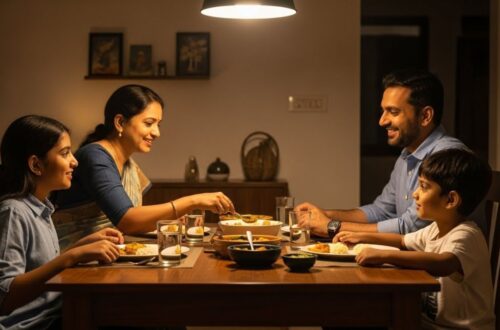
Cooking with teens transforms a daily necessity into quality time. Let them take the lead by choosing recipes from cuisines they’re curious about—Korean bibimbap, Italian pasta from scratch, or Japanese sushi rolls.
This activity builds practical life skills they’ll use in college and beyond. Research shows that teens who regularly cook with family develop better nutritional awareness and are more likely to prepare healthy meals independently.
Create theme nights where each family member rotates as head chef. Document your culinary experiments with photos and build a family recipe collection. The shared experience of trying new techniques—and sometimes failing spectacularly—creates lasting memories and inside jokes.
Start a Family Art Project
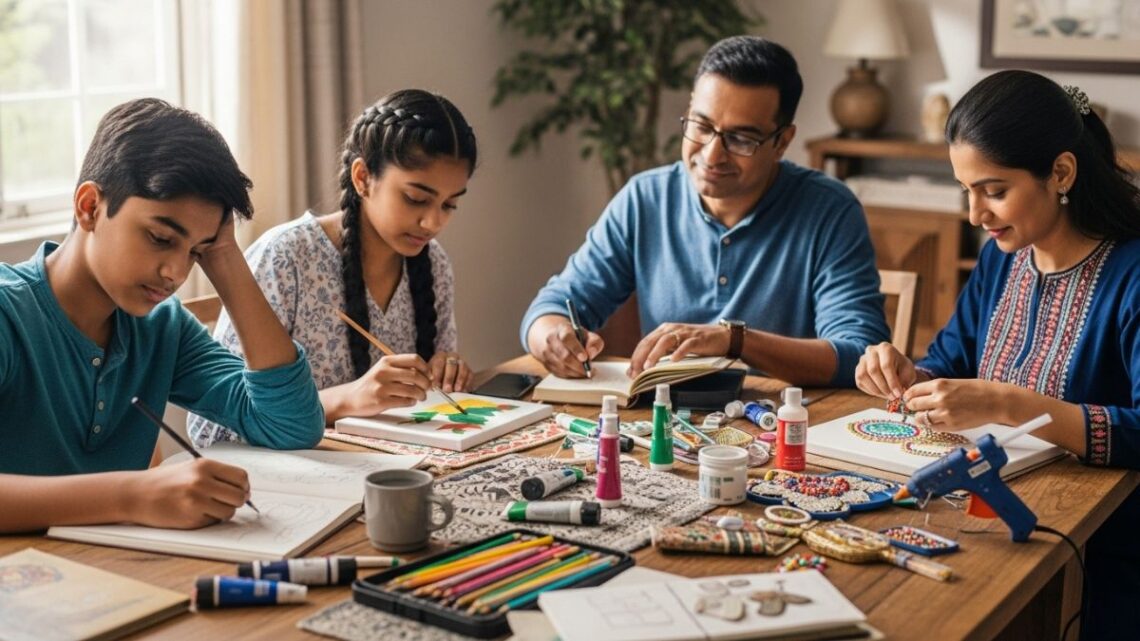
Art projects offer creative expression without the pressure of perfection. Painting a mural on a bedroom wall, tie-dyeing old t-shirts into new wardrobe pieces, or creating a photo wall with printed memories all work well with teens.
The non-competitive nature of art makes it accessible regardless of skill level. Teens who might feel uncomfortable with direct conversation often open up while working on creative projects side-by-side.
Consider projects that beautify your living space, giving the activity lasting value. A hand-painted planter set, a collaborative canvas for the living room, or personalized door signs add character to your home while serving as tangible reminders of time spent together.
Learn New Skills Through Tutorials
YouTube and online platforms have democratized skill learning. Choose something none of you know—playing ukulele, hand lettering, origami, or even video editing—and learn together as equals.
This reverses traditional parent-child dynamics in a healthy way. Teens often pick up new skills faster, giving them opportunities to teach parents, which builds their confidence and communication abilities.
Set weekly 30-minute learning sessions and track progress together. The commitment teaches persistence while the shared learning curve removes the fear of making mistakes. Many Indian families have discovered that learning classical instruments, rangoli designs, or traditional crafts together bridges generational gaps beautifully.
DIY Spa Night Experience
Transform your home into a wellness retreat with homemade face masks using kitchen ingredients—turmeric and yogurt for brightening, honey and oatmeal for hydration, or cucumber for cooling effects.
Spa nights teach self-care practices that benefit mental health. For teens dealing with academic pressure and social stress, establishing relaxation rituals early creates lifelong wellness habits.
Include manicures, foot soaks with Epsom salts, and guided meditation or calming music. The intimate, low-key setting encourages conversation about stress management and self-image in ways that feel natural rather than forced.
Games & Entertainment
Host Game Tournaments
Board games, card games, and video games create friendly competition that brings out everyone’s personality. Classics like Monopoly, Uno, or Catan work alongside modern options like Codenames or Ticket to Ride.
Gaming together builds strategic thinking and teaches gracious winning and losing. A study from the American Psychological Association found that family game nights improve communication skills and reduce teen anxiety levels.
Create a tournament bracket for multi-week competitions. Keep a leaderboard, offer silly prizes (like “dish duty pass” or “TV remote control for the week”), and rotate who chooses the games to ensure everyone’s preferences are honored.
Murder Mystery & Escape Room Kits
These immersive experiences transform your home into an adventure. Murder mystery kits designed for 4-6 players assign characters and clues, requiring everyone to work together solving the puzzle.
The collaborative problem-solving builds teamwork while the theatrical element appeals to teens’ love of storytelling and drama. These activities typically last 2-3 hours, making them perfect for weekend evenings.
Print-at-home escape room kits are budget-friendly alternatives to expensive outings. They challenge logical thinking and often require combining everyone’s unique perspectives to solve, reinforcing that each family member brings valuable contributions.
Create Custom Trivia Nights
Family trivia nights become more engaging when everyone contributes questions from their areas of interest. Teens might add pop culture, gaming, or social media questions while parents include history, classic movies, or geography.
This format validates teen knowledge rather than always testing them on “adult” topics. It also gives parents insight into what’s important in their teen’s world—current music trends, favorite content creators, or viral challenges.
Use free online tools or apps to create professional-looking quiz formats. Award points for creativity in answers, not just correctness, to keep the atmosphere light and inclusive for all knowledge levels.
Movie Marathon Experiences
Let each family member choose one film for a themed marathon—90s classics, superhero movies, Bollywood favorites, or films from a specific director. This exposes everyone to different perspectives and tastes.
Create an authentic theater experience with homemade popcorn (try different seasonings like chaat masala or chocolate drizzle), designated seating, and a brief intermission between films for discussion.
Movie marathons require minimal planning but maximum comfort, making them ideal for lazy weekends or festive holidays. The shared cultural experience provides natural conversation topics and helps teens develop critical thinking about media and storytelling.
Fun Family Activities at Home with Teens
When it comes to keeping teenagers engaged at home, the secret lies in choosing activities that feel less like “family time” and more like genuine fun. The best home activities strike a balance between entertainment and meaningful interaction, giving teens agency while creating natural opportunities for connection.
Fun doesn’t mean elaborate or expensive. Some of the most memorable family moments happen during simple activities that everyone can enjoy without pressure or preparation stress. The key is variety—mixing high-energy activities with calm ones, competitive games with collaborative projects, and structured plans with spontaneous ideas.
Modern teens respond best to activities that respect their maturity, incorporate their interests, and don’t feel forced or overly sentimental. Whether it’s turning your living room into a game show set, hosting an indoor camping night, or creating TikTok-style cooking challenges, the focus should be on laughter, shared experiences, and building traditions that your teenagers will actually want to participate in.
Active & Physical Options
Try Workout Videos Together
Family fitness sessions using YouTube videos or apps make exercise social and accountable. Choose varieties everyone can modify—yoga flows, dance cardio, strength training, or Bollywood dance workouts.
Physical activity releases endorphins that improve mood and reduce stress for the whole family. According to health research, families who exercise together maintain higher long-term fitness adherence rates than individuals working out alone.
Rotate who picks the workout style each session. This ensures variety and prevents boredom while teaching teens that fitness comes in many forms—not just gym-based or competitive sports.
Set Up Indoor Obstacle Courses
Transform your living space into a challenge course using furniture, cushions, and household items. Create stations testing balance, speed, agility, and creativity—crawl under dining tables, hop between cushions, or balance books on your head.
Indoor courses work regardless of weather and can be adjusted for available space. Time each person’s run, create relay races, or add silly requirements like completing tongue twisters at each station.
The playful nature helps everyone be less self-conscious about physical activity. Teens who might resist formal exercise often enjoy the game-like atmosphere and the humor that comes from everyone attempting ridiculous challenges.
Practice Sports Skills in Your Yard
Use outdoor space for basketball shooting practice, soccer dribbling drills, badminton matches, or frisbee throws. These informal sessions remove competitive pressure while building athletic abilities.
Sports practice creates opportunities for one-on-one time when parents and teens can talk while playing. The side-by-side activity often makes difficult conversations flow more naturally than sitting face-to-face.
Set personal goals rather than competing against each other—improve free throw percentage, increase consecutive volleyball volleys, or master a new cricket bowling technique. Progress tracking builds achievement mindsets applicable beyond sports.
Go for Neighborhood Walks or Rides
Walking or cycling together combines physical activity with environmental exploration. Choose different routes to discover new areas of your neighborhood, notice seasonal changes, or identify local birds and plants.
Regular walking routines establish consistent connection time that becomes part of weekly rhythm. Indian families often find evening walks particularly pleasant, combining exercise with fresh air during cooler temperatures.
Use these outings for casual check-ins about school, friendships, or future plans. The movement and changing scenery make conversations feel less intense than sitting down for “serious talks,” often leading to more honest sharing.
Family Bonding Activities With Teens
Share Music Playlists
Music bridges generational divides like few other mediums. Ask teens to create playlists introducing you to their current favorites while you share songs from your teenage years or family traditions.
Discussing why certain songs matter creates understanding of emotional landscapes. Teens learn about your past experiences while you gain insight into their current world and what resonates with their generation.
Create collaborative family playlists for different moods—energetic morning music, relaxing study background, or celebration songs for special occasions. Many streaming platforms allow shared playlists that everyone can add to continuously.
Play Conversation Starter Games
“Would you rather” questions, “this or that” choices, or conversation card decks spark discussions that go beyond daily logistics. These games reveal preferences, values, and thought processes in lighthearted ways.
Unlike direct interrogation about their lives, game-based conversations feel safer for teens to open up. Questions like “would you rather travel to the past or future” reveal worldviews and aspirations naturally.
Keep question collections ready for car rides, dinner tables, or before-bed wind-down time. The informal nature makes it easy to pause and resume, fitting into brief connection moments throughout busy weeks.
Work on Puzzles Together
Large jigsaw puzzles (1000+ pieces) become ongoing projects everyone contributes to over several days or weeks. Set up a dedicated puzzle space where anyone can add pieces when passing by.
Puzzles provide meditative, low-pressure activity perfect for introverts or after stressful days. The collaborative nature means no one person carries the burden of completion, yet everyone shares the satisfaction when finished.
Choose images reflecting family interests—landscapes from dream destinations, famous artwork, or photos you’ve had custom-made into puzzles. The completed puzzle can be framed as artwork commemorating the shared effort.
Start a Book Club or Podcast Series
Reading the same book or following a podcast series together creates shared intellectual experiences. Choose content that interests teens—young adult fiction, mystery series, true crime podcasts, or comedy shows.
Schedule weekly discussions over snacks to share thoughts, debate interpretations, and predict upcoming developments. This models critical thinking and respectful disagreement when opinions differ.
Audiobooks and podcasts accommodate different learning styles and can be enjoyed during commutes or while doing household tasks. For busy families, this flexibility makes consistent participation more achievable than traditional reading clubs.
Collaborative Projects & Planning
Plan Future Trips as a Team
Collaborative travel planning distributes decision-making and builds research skills. Assign each family member responsibility for different aspects—accommodations, activities, restaurants, or budget tracking.
Planning together ensures everyone’s interests are considered, reducing complaints during actual trips. Teens learn practical life skills like comparing prices, reading reviews, and making informed compromises.
Create shared documents or vision boards with destination ideas, must-see attractions, and dream experiences. Even if the trip is far in the future, the planning process itself becomes bonding time and something to look forward to together.
Build Something Together
Construction projects—assembling furniture, building raised garden beds, creating storage solutions, or installing shelving—teach practical skills while producing useful results.
Working with tools and following instructions together demonstrates that mistakes are part of learning. Parents can model problem-solving and adaptability when things don’t go according to plan.
Choose projects matching your family’s skill level but slightly stretching capabilities. The mild challenge keeps everyone engaged, and completing something tangible creates shared pride that strengthens family identity.
Making Activities Stick: Tips for Success
- Let Teens Lead: Give teenagers real decision-making power about which activities to try and when to schedule them. Ownership increases engagement.
- Respect Their Schedule: Don’t force participation when they have legitimate commitments or need alone time. Consistency matters more than frequency—one weekly activity beats sporadic attempts.
- Minimize Distractions: Establish phone-free zones during activities. Model this behavior yourself to show technology boundaries apply to everyone.
- Celebrate Small Wins: Acknowledge when activities go well without making it awkward. Simple comments like “this was fun” validate the experience without over-sentimentality that teens might reject.
- Adapt to Changing Interests: What worked at 13 might not work at 17. Regularly refresh your activity rotation based on current preferences and developmental stages.
- Keep It Pressure-Free: The goal is connection, not perfection. If an activity flops, laugh it off and try something else. Forcing enthusiasm creates resentment.
Benefits Beyond Bonding
Life Skills Development
Cooking, building, planning, and creating teach practical abilities teens will need in college and independent living. These hands-on experiences provide learning that classroom education often misses.
Emotional Intelligence Growth
Shared activities develop empathy, communication, and conflict resolution. Teens learn to navigate different personalities, manage frustration, and celebrate others’ successes—skills critical for future relationships.
Mental Health Support
Regular family connection reduces feelings of isolation common in teenage years. According to mental health research, teens with strong family bonds show lower rates of anxiety and depression.
Cultural Continuity
Activities like cooking traditional foods, learning classical arts, or sharing family stories preserve cultural heritage. For Indian families, this bridges generational gaps and maintains connections to roots.
Academic Benefits
Interestingly, teens with consistent family activity time often show improved academic performance. The emotional stability and stress relief from positive family interactions support better focus and motivation.
Start with shorter 30-45 minute activities focused on their interests, not just parent preferences, and let them choose what to do. Make participation optional rather than mandatory, keep the atmosphere light and fun, and consider letting them occasionally bring a friend to ease social pressure.
Choose flexible activities like cooking (divide tasks by ability), scavenger hunts, trivia nights, or building projects that let each person contribute their strengths. Alternate between activities chosen by each teen, or try splitting into parent-teen pairs before regrouping to share results.
Show genuine curiosity by asking them to explain what they love and teach you the basics—most teens enjoy being the expert. You don’t need to master their hobby, but asking informed questions shows respect and creates connection through their passions.


You May Also Like