Most Profitable Vegetables to Grow in India in 2026
Business Ideas

Most Profitable Vegetables to Grow in India in 2026

Disclaimer: This article may contain affiliate links. If you purchase through these links, I may earn a small commission as an Amazon Associate—at no additional cost to you.

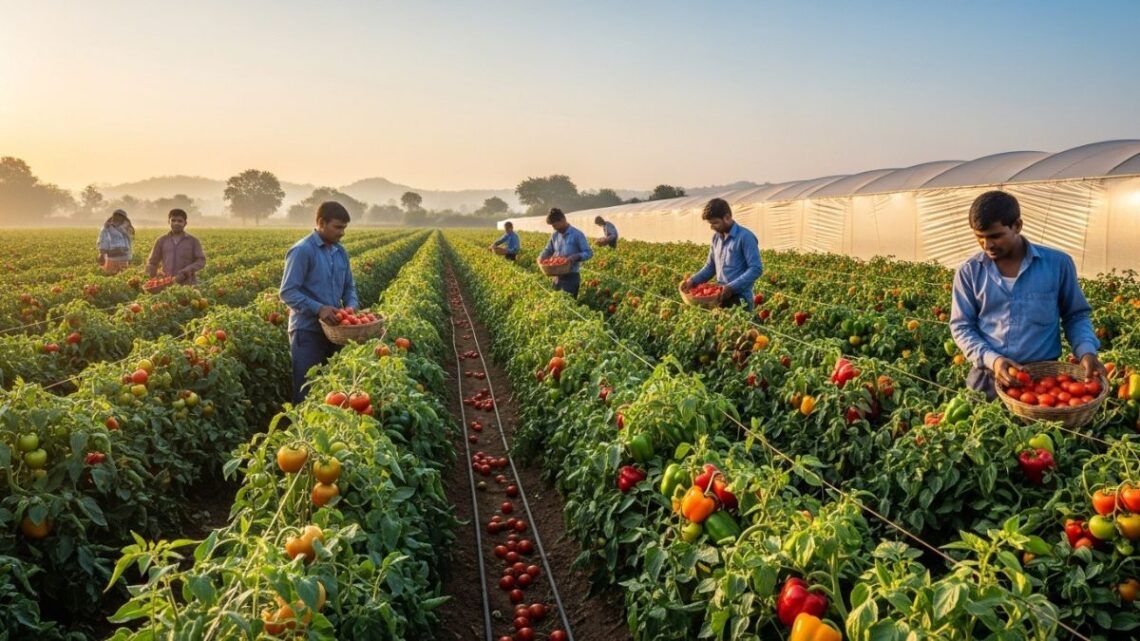
The Indian vegetable farming landscape is transforming rapidly. Urban consumers are willing to pay premium prices for fresh, pesticide-free produce delivered to their doorstep. Cloud kitchens, quick-commerce apps like Zepto and Blinkit, and health-conscious millennials have created unprecedented demand for quality vegetables.

Government initiatives like the PM Kisan Samruddhi Kendras and the Agriculture Infrastructure Fund are making cold storage, drip irrigation, and polyhouse farming more accessible to small farmers. With climate-smart techniques and direct market linkages, vegetable farming in 2026 isn’t just agriculture—it’s a high-margin business opportunity.

This guide helps small farmers (1–5 acres), new agri-entrepreneurs, and organic growers choose the right crops that balance investment, effort, and returns.

Key Factors That Decide Vegetable Profitability in India

Market Demand & Price Stability

Choose vegetables with year-round demand and stable pricing. Tomatoes, onions, and green chillies maintain consistent demand regardless of season, while premium vegetables like broccoli command higher prices with growing health trends.

Crop Cycle Duration

Shorter crop cycles mean faster cash flow and multiple harvests per year. Vegetables like radish (30 days), spinach (40 days), and cucumber (50–60 days) allow 4–6 cycles annually compared to single-harvest crops.

Yield Per Acre

High-yielding varieties determine profitability. Hybrid tomatoes yield 25–40 tons per acre versus 12–15 tons for traditional varieties. Polyhouse farming increases yields by 40–60% compared to open fields.

Input Cost vs Selling Price

Calculate your profit margin carefully. If input costs (seeds, fertilizers, labour, water) consume 60–70% of selling price, profitability suffers. Target crops where inputs stay below 40–50% of revenue.

Storage & Transport Ease

Perishable vegetables like leafy greens require immediate sale or cold storage, limiting market reach. Hardy vegetables like onions, potatoes, and bottle gourds offer storage flexibility and better negotiating power.

Suitability for Polyhouse or Open Field

Polyhouse farming protects crops from weather extremes, pests, and diseases while enabling year-round cultivation. Initial investment is ₹4–₹8 lakhs per acre but generates 2–3x higher returns than open-field farming.

Tier 1: Most Profitable & Fast-Growing Vegetables (2026)

These vegetables offer high demand, short crop cycles, and consistent cash flow—perfect for farmers seeking regular income.

Tomato

The king of vegetable profitability. Tomatoes have year-round demand for cooking, salads, and processing. Hybrid varieties like Abhilash, Rashmi, and Arka Rakshak yield 25–40 tons per acre in 90–120 days.

  • Investment: ₹40,000–₹60,000 per acre
  • Net Profit: ₹2,00,000–₹4,00,000 per acre (3 cycles/year)
  • Best Method: Polyhouse for premium quality, open field for bulk production

Green Chilli

Daily kitchen essential with minimal competition from imports. Green chillies give continuous picking for 4–5 months once fruiting begins. Varieties like G4, Pusa Jwala, and Bharat perform well across India.

  • Investment: ₹30,000–₹50,000 per acre
  • Net Profit: ₹1,50,000–₹3,00,000 per acre
  • Best Method: Open field with drip irrigation

Onion

India’s staple vegetable with massive domestic consumption. While price volatility exists, strategic timing (kharif vs rabi) and cold storage access can maximize profits. Focus on high-yielding varieties like Bhima Super, Agrifound Dark Red.

  • Investment: ₹35,000–₹55,000 per acre
  • Net Profit: ₹80,000–₹2,00,000 per acre (seasonal variation)
  • Best Method: Open field

Cucumber (Desi & English)

Fast-growing with 50–60 day harvest cycles. English cucumbers in polyhouses fetch ₹30–₹60 per kg in metro cities versus ₹10–₹20 for desi varieties. Salad culture and juice bars drive urban demand.

  • Investment: ₹25,000–₹45,000 per acre (open), ₹1,50,000–₹2,50,000 (polyhouse)
  • Net Profit: ₹60,000–₹1,20,000 (open), ₹2,50,000–₹4,00,000 (polyhouse)
  • Best Method: Polyhouse for English cucumber

Okra (Bhindi)

Reliable performer with 50–60 day maturity and continuous picking for 2–3 months. Resistant to most pests, okra suits beginners and experienced farmers alike. Varieties like Arka Anamika and Pusa Sawani offer excellent yields.

  • Investment: ₹20,000–₹35,000 per acre
  • Net Profit: ₹70,000–₹1,50,000 per acre
  • Best Method: Open field with organic practices for premium pricing

Tier 2: High-Demand Vegetables for Urban & Mandi Markets

tier 2 vegetable

These vegetables perform exceptionally well for farmers located within 50–100 km of cities where daily consumption is high.

Capsicum (Green / Red / Yellow)

Capsicum dominates urban vegetable markets and restaurants. Green capsicum fetches ₹30–₹60 per kg, while colored varieties (red, yellow) command ₹80–₹150 per kg. Polyhouse cultivation essential for quality and year-round supply.

  • Investment: ₹50,000–₹70,000 (open), ₹2,00,000–₹3,50,000 (polyhouse)
  • Net Profit: ₹1,20,000–₹2,00,000 (open), ₹4,00,000–₹8,00,000 (polyhouse)
  • Best Method: Polyhouse mandatory for colored varieties

Cauliflower

Winter favorite with massive demand during October–February. Early varieties allow market entry when prices peak. Focus on hybrid seeds like Pusa Snowball and Improved Japanese for better heads.

  • Investment: ₹40,000–₹60,000 per acre
  • Net Profit: ₹1,00,000–₹2,50,000 per acre
  • Best Method: Open field

Cabbage

Hardy vegetable with good storage life (7–10 days) and transport tolerance. Both fresh consumption and processing (coleslaw, pickles) create steady demand. Plant varieties like Golden Acre and Pride of India.

  • Investment: ₹35,000–₹55,000 per acre
  • Net Profit: ₹90,000–₹1,80,000 per acre
  • Best Method: Open field

Bottle Gourd

Fast-growing creeper with 60–70 day maturity. Suited for both rural and urban markets. Low maintenance, minimal pest issues, and continuous picking for 45–60 days make it beginner-friendly.

  • Investment: ₹15,000–₹25,000 per acre
  • Net Profit: ₹50,000–₹1,00,000 per acre
  • Best Method: Open field with trellis support

Ridge Gourd / Sponge Gourd

Popular in South Indian cuisine with good demand in urban markets. Grows well in warm climates and gives continuous harvest for 2–3 months. Ridge gourd commands slightly higher prices than bottle gourd.

  • Investment: ₹18,000–₹28,000 per acre
  • Net Profit: ₹60,000–₹1,20,000 per acre
  • Best Method: Open field

Tier 3: Premium & Future-Proof Vegetables (2026 Trend Crops)

These vegetables target health-conscious urban consumers, hotels, and export markets. Lower competition and premium pricing offset smaller market size.

Broccoli

Superfood status drives broccoli demand among fitness enthusiasts and health-conscious families. Limited domestic production means premium prices (₹60–₹120 per kg). Hotels and cloud kitchens are bulk buyers.

  • Investment: ₹60,000–₹90,000 per acre
  • Net Profit: ₹1,80,000–₹3,50,000 per acre
  • Best Method: Open field in cool climates, polyhouse elsewhere

Lettuce (Iceberg, Romaine)

Salad culture explosion in metros creates growing lettuce demand. Iceberg lettuce sells for ₹80–₹150 per kg to restaurants, cafes, and gourmet stores. Hydroponic cultivation possible for year-round supply.

  • Investment: ₹50,000–₹80,000 per acre (soil), ₹2,00,000–₹4,00,000 (hydroponic)
  • Net Profit: ₹1,50,000–₹2,80,000 per acre
  • Best Method: Polyhouse or hydroponic

Zucchini

Italian cuisine popularity boosts zucchini demand in urban India. Continental restaurants, pizza outlets, and health-focused consumers pay ₹60–₹100 per kg. Short 50–60 day crop cycle allows multiple harvests.

  • Investment: ₹40,000–₹60,000 per acre
  • Net Profit: ₹1,20,000–₹2,40,000 per acre
  • Best Method: Polyhouse preferred

Cherry Tomato

Premium variety commanding 3–4x price of regular tomatoes. Cherry tomatoes fetch ₹80–₹150 per kg in supermarkets and gourmet stores. Perfect for small farmers with limited land seeking maximum value.

  • Investment: ₹80,000–₹1,20,000 per acre (polyhouse)
  • Net Profit: ₹3,00,000–₹5,50,000 per acre
  • Best Method: Polyhouse essential

Asparagus

Export-oriented luxury vegetable with ₹400–₹800 per kg domestic prices. Requires patience (8–10 months for first harvest) but yields for 10–15 years once established. Target 5-star hotels and export markets.

  • Investment: ₹1,50,000–₹2,50,000 per acre (first year)
  • Net Profit: ₹2,00,000–₹4,00,000 per acre (from 2nd year onwards)
  • Best Method: Open field in temperate regions

Tier 4: Organic & Health-Focused Vegetables

These leafy and niche vegetables fetch premium prices when sold as certified organic or through direct-to-consumer channels.

Spinach (Palak)

Fast-growing (35–40 days) leafy green with year-round demand. Organic spinach commands 50–100% premium. Multiple cuttings from single sowing increase profitability.

  • Investment: ₹12,000–₹20,000 per acre
  • Net Profit: ₹40,000–₹80,000 per acre
  • Best Method: Open field, organic practices

Fenugreek (Methi)

Dual-purpose crop (leaves and seeds) with medicinal value. Methi leaves ready in 30–40 days. Health-conscious consumers and diabetic-friendly food segment drive demand.

  • Investment: ₹10,000–₹18,000 per acre
  • Net Profit: ₹35,000–₹70,000 per acre
  • Best Method: Open field

Kale

Western superfood gaining Indian traction. Kale’s antioxidant-rich profile attracts fitness enthusiasts. Sells for ₹100–₹200 per kg through organic stores and farmer markets.

  • Investment: ₹30,000–₹50,000 per acre
  • Net Profit: ₹90,000–₹1,80,000 per acre
  • Best Method: Polyhouse or open field in cool regions

Celery

Niche vegetable for soups, salads, and juices. Limited domestic supply means celery fetches ₹80–₹150 per kg. Target health stores, juice bars, and continental restaurants.

  • Investment: ₹40,000–₹60,000 per acre
  • Net Profit: ₹1,00,000–₹2,00,000 per acre
  • Best Method: Polyhouse

Baby Carrot

Gourmet variety for premium markets. Baby carrots sell for ₹120–₹250 per kg versus ₹20–₹40 for regular carrots. Perfect for small farmers focusing on quality over quantity.

  • Investment: ₹45,000–₹70,000 per acre
  • Net Profit: ₹1,20,000–₹2,20,000 per acre
  • Best Method: Open field with precise irrigation

Profit Comparison Table (Per Acre)

VegetableInvestmentNet Profit (Annual)Best MethodCrop Cycles/Year
Tomato₹40,000–₹60,000₹2,00,000–₹4,00,000Polyhouse/Open2–3
Capsicum₹2,00,000–₹3,50,000₹4,00,000–₹8,00,000Polyhouse2
Cherry Tomato₹80,000–₹1,20,000₹3,00,000–₹5,50,000Polyhouse2
Green Chilli₹30,000–₹50,000₹1,50,000–₹3,00,000Open Field2
Broccoli₹60,000–₹90,000₹1,80,000–₹3,50,000Open/Polyhouse2
Cucumber (English)₹1,50,000–₹2,50,000₹2,50,000–₹4,00,000Polyhouse2–3
Lettuce₹50,000–₹80,000₹1,50,000–₹2,80,000Polyhouse3–4
Onion₹35,000–₹55,000₹80,000–₹2,00,000Open Field1–2
Cauliflower₹40,000–₹60,000₹1,00,000–₹2,50,000Open Field1–2
Okra₹20,000–₹35,000₹70,000–₹1,50,000Open Field2–3

Best Vegetables by Farmer Type

Best Vegetables for Small Land Farmers (0.5–2 Acres)

Focus on high-value, premium vegetables that maximize returns per square foot. Cherry tomatoes, lettuce, capsicum, broccoli, and zucchini offer ₹3–₹8 lakhs per acre returns. Intensive polyhouse farming suits limited land.

Best Vegetables for Polyhouse Farming

Capsicum, English cucumber, cherry tomato, lettuce, and exotic vegetables thrive under controlled conditions. Polyhouse protects from extreme weather, reduces pest attacks, and enables year-round cultivation with 2–3x higher yields.

Best Vegetables for Organic Farmers

Leafy greens (spinach, kale, fenugreek), tomatoes, green chillies, and bottle gourd respond well to organic practices. Organic certification adds 30–100% premium. Build direct customer relationships through farmer markets and WhatsApp groups.

Best Vegetables for Export & Premium Markets

Asparagus, baby carrots, colored capsicum, cherry tomatoes, and broccoli meet export standards. Focus on residue-free certification, consistent quality, and relationships with exporters or premium retailers like Nature’s Basket and Foodhall.

How to Choose the Right Vegetable for Your Farm

Land Size Assessment

0.5–2 acres: Premium vegetables (capsicum, cherry tomato, broccoli)
2–5 acres: Mix of premium and staples (tomato + leafy greens)
5+ acres: Bulk vegetables (onion, cabbage, cauliflower) for mandi

Budget Consideration

Limited budget (₹20,000–₹50,000): Leafy greens, cucumber, okra
Medium budget (₹50,000–₹1,50,000): Tomato, green chilli, bottle gourd
High budget (₹2,00,000+): Polyhouse capsicum, cherry tomato, lettuce

Local Mandi Price Research

Visit your nearest APMC mandi for 2–3 weeks. Note which vegetables maintain ₹20+ per kg prices consistently. Talk to commission agents about upcoming demand. Avoid crops with frequent price crashes.

Water Availability Check

Leafy greens need frequent irrigation (every 2–3 days). Tomatoes and cucumbers need moderate water. Onions and bottle gourd are relatively drought-tolerant. Match crops to your water source reliability.

Distance from City/Market
  • Within 30 km: Perishables (lettuce, spinach, cherry tomato)
  • 30–100 km: Semi-perishables (tomato, cucumber, capsicum)
  • 100+ km: Storables (onion, potato, cabbage)
Labour Availability

Polyhouse farming and premium vegetables need daily monitoring. If family labour is limited and hiring is expensive, choose low-maintenance crops like bottle gourd, ridge gourd, or onion.

Common Mistakes Farmers Make (And How to Avoid Them)

Growing Without Market Research

Don’t plant based on last season’s high prices—they attract oversupply. Research demand trends, talk to buyers, and plan 3–6 months ahead. Diversify crops to spread risk.

Ignoring Crop Timing

Tomatoes planted in peak season face 70% lower prices. Strategic timing—off-season cultivation using polyhouse or choosing early/late varieties—captures premium pricing.

Overdependence on Middlemen

Middlemen take 30–60% margins. Build direct relationships with retailers, restaurants, bulk buyers, or consumer groups. Even selling 30–40% directly significantly boosts profits.

No Storage or Transport Planning

Harvest without buyer/storage = forced distress selling. Arrange cold storage access or buyers before harvest. Own or rent refrigerated transport for premium markets.

Poor Seed Selection

Cheap, non-hybrid seeds reduce yields by 40–60%. Invest in certified hybrid or F1 seeds from reputable companies like Syngenta, Bayer, or government farms. ₹500–₹2,000 seed investment protects ₹50,000+ crop value.

Vegetable farming in 2026 is no longer just traditional agriculture—it’s a strategic, profitable business when approached with market awareness, modern techniques, and direct selling channels. Whether you’re a small farmer with half an acre or an entrepreneur investing in polyhouse farming, choosing the right vegetables based on your resources, location, and market access determines success.

Start with one or two crops, master the cultivation and selling process, then expand gradually. The combination of rising urban demand, government support, and digital market access has never been more favorable for vegetable farmers.

Remember: farming is 50% cultivation skill and 50% market intelligence. Grow what sells, not just what grows easily.

Frequently Asked Questions (FAQs)

Which vegetable is most profitable in India in 2026?

Polyhouse capsicum (colored varieties) offers the highest profitability with ₹4–₹8 lakhs net profit per acre annually, followed by cherry tomatoes (₹3–₹5.5 lakhs per acre). For open-field farming, tomatoes generate ₹2–₹4 lakhs per acre with multiple cycles.

Which vegetable gives income fastest?

Radish (30 days), spinach (35–40 days), coriander (40–45 days), and cucumber (50–60 days) provide the fastest cash flow. For sustained income, cucumber and okra offer continuous picking for 60–90 days after initial harvest.

Is polyhouse farming worth it in 2026?

Yes, polyhouse farming generates 2–3x higher returns than open-field farming despite ₹4–₹8 lakhs per acre initial investment. Government subsidies cover 50–80% costs, and ROI is typically achieved within 2–3 years through year-round cultivation and premium pricing.

Which vegetables are best for small farmers?

Cherry tomatoes, lettuce, capsicum, broccoli, and leafy greens maximize returns on limited land (0.5–2 acres). These high-value crops generate ₹3–₹8 lakhs per acre compared to ₹80,000–₹2 lakhs for traditional vegetables like onion or cabbage.

Which vegetable has export demand?

Asparagus, baby carrots, colored capsicum, cherry tomatoes, broccoli, and exotic lettuce varieties have strong export demand to Middle East, Europe, and Southeast Asia. Focus on residue-free certification and consistent quality standards for export markets.