Home Decor Ideas: Complete Guide to Style Every Room
Disclaimer: This article may contain affiliate links. If you purchase through these links, I may earn a small commission as an Amazon Associate—at no additional cost to you.
Your home environment directly influences your mental state, productivity levels, and overall quality of life. Thoughtful decor creates spaces that calm your mind after stressful days, inspire creativity during work hours, and provide comfort for your family.
The colors surrounding you affect mood—soft blues promote relaxation, warm yellows encourage energy, and earth tones ground your space in tranquility. Organized, aesthetically pleasing rooms reduce mental clutter and help you think more clearly.
Home decor extends beyond aesthetics into daily habits. A well-designed kitchen encourages healthy cooking. An inviting living room strengthens family connections. A peaceful bedroom improves sleep quality. When your space functions beautifully, your lifestyle naturally elevates.
Your home reflects who you are and what you value. Intentional decorating transforms generic spaces into personal sanctuaries that support your goals, celebrate your personality, and welcome the people you love.
Popular Home Decor Styles to Inspire Your Space
Understanding different decor styles helps you identify what resonates with your taste and lifestyle. You don’t need to follow one style rigidly—many beautiful homes blend elements from multiple approaches.
Modern Home Decor Ideas
Modern design emphasizes clean lines, neutral color palettes, and functional furniture without unnecessary ornamentation. This style creates calm, uncluttered spaces where every piece serves a purpose.
Key characteristics include sleek furniture with simple silhouettes, monochromatic or limited color schemes featuring whites, grays, and blacks, and strategic pops of color through art or accent pieces. Modern homes maximize natural light and use reflective surfaces to enhance spaciousness.
This style suits busy professionals and minimalists who appreciate efficiency and simplicity. Modern decor requires minimal maintenance while delivering sophisticated visual impact through thoughtful restraint rather than abundance.
Minimal Home Decor Ideas
Minimalism goes beyond modern design by actively reducing possessions to only what adds value. The philosophy centers on “less is more”—fewer items chosen with greater intention create more peaceful, functional spaces.
Minimal decor features calm color palettes dominated by whites, beiges, and soft grays, intentional negative space that allows rooms to breathe, and multi-functional furniture that serves multiple purposes. Every item earns its place through utility or deep personal meaning.
This style benefits anyone feeling overwhelmed by clutter or seeking more mental clarity. Minimal homes reduce cleaning time, eliminate visual chaos, and create contemplative environments that support focus and well-being.
Boho Home Decor Ideas
Bohemian style celebrates free-spirited creativity through layered textures, rich patterns, and abundant plant life. This approach creates warm, lived-in spaces full of personality and global influences.
Characteristic elements include mixed textiles like macramé, woven baskets, and patterned rugs, indoor plants ranging from hanging pothos to statement fiddle-leaf figs, and collected treasures from travels or vintage finds. Boho rooms feel relaxed and welcoming rather than perfectly curated.
This style appeals to creative individuals, frequent travelers, and anyone who values comfort over formality. Boho decor evolves organically as you add pieces that speak to you, making it forgiving and highly personal.
Traditional Home Decor Ideas
Traditional design draws from classic European and Indian aesthetics, featuring warm wood tones, rich colors, and time-tested furniture styles that convey permanence and cultural heritage.
Key features include symmetrical arrangements, classic wooden furniture with carved details, warm color palettes using burgundy, forest green, and gold accents, and cultural elements like brass diyas, traditional artwork, or heritage textiles.
This style suits multigenerational Indian families who value cultural continuity and formal entertaining. Traditional homes create dignified, comfortable environments that honor the past while serving present needs.
Scandinavian Home Decor Ideas
Scandinavian design balances minimalism’s simplicity with warmth through natural materials, soft textiles, and functional beauty. This Northern European approach creates cozy yet uncluttered spaces.
Defining characteristics include light color schemes dominated by whites and pale woods, natural materials like untreated wood, linen, and wool, hygge elements such as candles, soft throws, and ambient lighting, and functional furniture with organic shapes.
This style works beautifully in Indian homes seeking calm, efficient spaces without coldness. Scandinavian decor proves that simplicity can feel warm and inviting when you layer textures thoughtfully and prioritize natural light.
Room-Wise Home Decor Ideas (Quick Inspiration Guide)
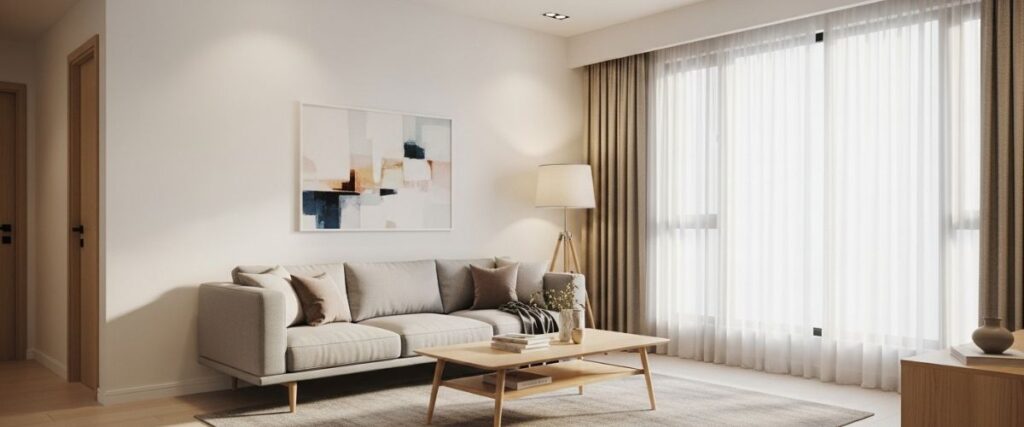
Different rooms serve different purposes, requiring tailored decorating approaches. Here’s how to think about each space strategically.
Living Room Decor Ideas
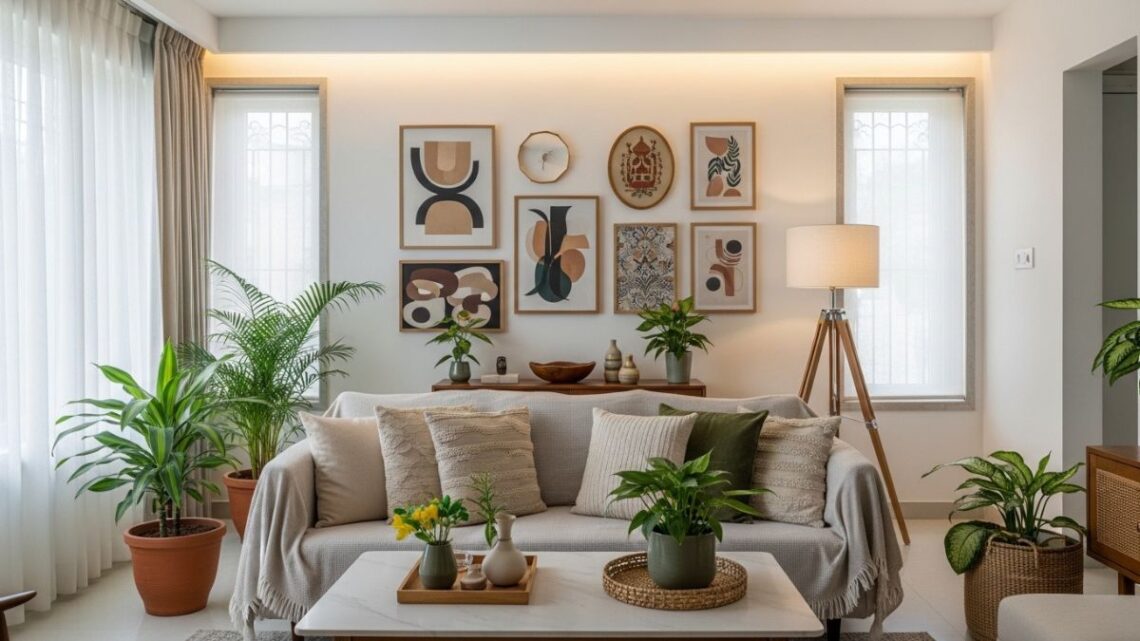
Your living room creates first impressions and hosts family gatherings, making it central to your home’s overall feel. Focus on comfortable seating arrangements that encourage conversation, layered lighting including ambient, task, and accent options, and wall decor that reflects your personality.
Consider traffic flow when placing furniture—pathways should feel natural and unobstructed. Anchor the room with a focal point like a feature wall, fireplace, or large artwork. Balance larger furniture pieces with negative space to prevent overcrowding.
Bedroom Decor Ideas
Bedrooms prioritize rest and relaxation, requiring calming color schemes and comfortable textiles. Your bedroom should be your personal retreat from the world’s demands.
Invest in quality bedding, blackout options for better sleep, and soft lighting that you can dim in evenings. Keep technology minimal and storage hidden to maintain peaceful ambiance. Choose colors and textures that genuinely soothe you rather than following trends that don’t match your needs.
Kitchen Decor Ideas
Kitchens balance functionality with aesthetics—every decorative choice should enhance cooking efficiency rather than obstruct it. Focus on organized storage solutions that keep counters clear, lighting that illuminates work surfaces properly, and easy-to-clean materials that withstand daily use.
Add personality through practical items like attractive canisters, herb planters on windowsills, or colorful dish towels. Indian kitchens particularly benefit from dedicated spice storage, proper ventilation, and surfaces that handle oil and moisture well.
Balcony Decor Ideas
Balconies offer valuable outdoor space for urban Indian homes. Transform these areas into functional extensions of your living space through comfortable seating, potted plants that create green privacy screens, and ambient lighting for evening relaxation.
Even small balconies accommodate folding furniture, vertical gardens, and cozy textiles. Consider weather-resistant materials that endure sun and monsoon while maintaining their appearance.
Budget Home Decor Ideas That Actually Work
Beautiful home decor doesn’t require unlimited budgets. Strategic, creative choices deliver impressive results using resources you already have or can acquire inexpensively.
- Rearrange existing furniture: Simply moving your sofa to a different wall or repositioning your dining table creates fresh perspective without spending anything. Experiment with multiple arrangements before settling on what works best.
- Maximize mirrors strategically: Mirrors double visual space and amplify natural light. Position mirrors opposite windows to bounce daylight deeper into rooms. Large mirrors cost less than artwork of similar size while providing greater impact.
- Bring nature indoors: Plants purify air while adding color, texture, and life to any room. Money plants, snake plants, and pothos cost ₹50-₹200 and thrive with minimal care. Collect interesting branches, stones, or driftwood during walks for free natural decor.
- Upgrade lighting affordably: Replace harsh overhead bulbs with warm-toned LEDs. Add inexpensive table lamps or string lights to create layered, inviting illumination. Lighting changes dramatically affect ambiance for minimal investment.
- DIY accent pieces: Paint old furniture, create artwork from fabric scraps, or arrange family photos in thrifted frames. Handmade touches add personality that purchased decor can’t replicate.
- Shop your own home: Move items between rooms to create new combinations. Your bedroom vase might look perfect in the living room. Kitchen storage baskets could organize bathroom toiletries beautifully.
- Focus on textiles: New throw pillows, curtains, or a colorful rug transform rooms completely. Textiles cost less than furniture while providing comparable visual refresh. Choose machine-washable options for practicality.
Indian festivals and seasonal sales offer excellent opportunities to acquire decor items at 30-50% discounts. Local artisan markets, second-hand stores, and online marketplaces provide unique pieces at fraction of retail prices.
Home Decor Mistakes That Ruin the Look
Avoiding common mistakes matters as much as implementing good ideas. These pitfalls undermine even expensive decor efforts.
- Over-decorating surfaces: Every shelf, table, and wall doesn’t need decoration. Negative space allows important pieces to shine and prevents cluttered, chaotic feelings. Edit ruthlessly—remove half your accessories and see if the room actually looks better.
- Ignoring scale and proportion: Tiny furniture in large rooms looks lost. Oversized pieces in small spaces feel oppressive. Measure rooms and furniture carefully. Maintain appropriate relationships between item sizes and room dimensions.
- Mixing too many styles randomly: Eclectic design requires intentional curation. Random combinations of modern, traditional, and boho elements without connecting threads create confusion rather than character. Choose 2-3 complementary styles maximum and find common elements that tie them together.
- Poor lighting choices: Single harsh overhead lights flatten rooms and create unflattering shadows. Successful lighting layers ambient, task, and accent sources at different heights. Invest in dimmers to adjust mood throughout the day.
- Trend-following without purpose: Instagram-worthy trends don’t suit every home or lifestyle. Millennial pink or farmhouse shiplap looks beautiful online but might clash with your actual space or preferences. Choose timeless foundations and add trendy accents sparingly through easily changed elements.
- Pushing furniture against walls: This common mistake actually makes rooms feel smaller. Floating furniture creates conversational groupings and improves flow, especially in larger spaces.
- Wrong-sized rugs: Too-small rugs chop rooms into disconnected pieces. Living room rugs should fit under at least the front legs of all major furniture. Dining room rugs should extend 24 inches beyond table edges when chairs are pulled out.
Home Decor Checklist for Beginners
Starting your decorating journey feels overwhelming without a clear roadmap. Follow this systematic approach for cohesive, beautiful results.
Define your style preferences
- Collect inspiration images from Pinterest, Instagram, or magazines
- Identify common themes in your saved images
- Choose 2-3 words that describe your ideal home feeling
Select a base color palette
- Pick 2-3 neutral colors for walls and large furniture
- Add 1-2 accent colors for personality and energy
- Ensure colors work together by testing samples in your actual lighting
Prioritize lighting improvements
- Assess natural light and plan window treatments accordingly
- Add multiple light sources at different heights in each room
- Include ambient, task, and accent lighting layers
Incorporate varied textures
- Mix smooth and rough surfaces for visual interest
- Layer soft textiles like rugs, curtains, and pillows
- Include natural materials like wood, stone, or plants
Maintain intentional negative space
- Leave empty wall sections to balance decorated areas
- Keep some surfaces clear and uncluttered
- Allow breathing room around furniture groupings
Edit before adding more
- Remove items that don’t serve function or bring joy
- Evaluate whether each piece earns its space
- Stop when the room feels complete rather than cramped
Develop gradually over time
- Live in spaces before making permanent changes
- Understand your actual usage patterns before designing
- Build quality collection slowly rather than filling rooms quickly
How to Make Your Decor Choices Sustainable
Sustainable decorating aligns with mindful living values while reducing environmental impact and often saving money through quality-over-quantity approaches.
Choose furniture built to last rather than disposable particle board pieces requiring replacement every few years. Solid wood, metal, and quality upholstery cost more initially but provide decades of service.
Support local artisans and craftspeople creating handmade items. Indian craftsmanship offers beautiful, unique pieces that carry cultural meaning while supporting traditional livelihoods.
Repurpose and upcycle existing items before buying new. An old ladder becomes a plant stand. Vintage suitcases provide stylish storage. Glass jars serve as vases or organizers.
Select natural, non-toxic materials free from harmful chemicals. Organic textiles, low-VOC paints, and solid wood furniture improve indoor air quality while reducing environmental harm.
Buy secondhand and vintage for character-rich pieces at lower costs. Thrift stores, estate sales, and online marketplaces offer treasures that add personality impossible to achieve with mass-produced items.
Frequently Asked Questions
Begin by identifying your preferred style through inspiration boards, then select a cohesive color palette of 3-5 colors. Start with essential furniture placement for functionality, add proper lighting layers, then gradually incorporate decorative elements like artwork, plants, and textiles while leaving intentional negative space.
Minimal and Scandinavian styles require the least maintenance because they feature fewer items to clean and organize, simple color schemes that hide dust better, and uncluttered surfaces that simplify daily tidying while creating calm, functional spaces.
Absolutely—rearrange existing furniture, add plants (₹50-₹200 each), upgrade lighting with warm LED bulbs, use mirrors to expand space, paint accent walls, shop secondhand markets, and focus on textiles like curtains and cushions that deliver high visual impact for ₹500-₹2,000 per room.
Refresh small decorative elements seasonally through pillow covers, table settings, or plant arrangements. Make larger updates every 1-2 years by rotating artwork, updating textiles, or rearranging furniture layouts to maintain fresh perspectives without constant spending or waste.