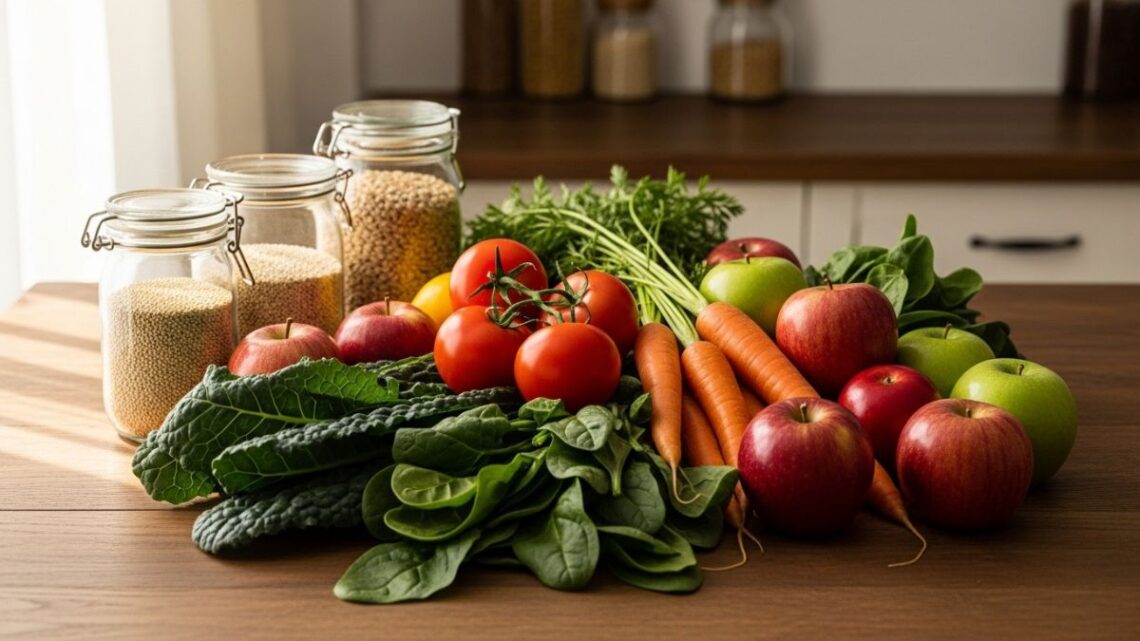
10 Key Benefits of Choosing Organic Foods for Better Health
Disclaimer: This article may contain affiliate links. If you purchase through these links, I may earn a small commission as an Amazon Associate—at no additional cost to you.
Indian families increasingly face health challenges linked to chemical-laden food production. From rising cancer rates to childhood allergies, the quality of what we eat directly impacts our well-being.
Organic foods offer a proven path to better health. They’re produced without synthetic pesticides, artificial fertilizers, growth hormones, or genetic modification. This cleaner production method translates to cleaner nutrition for your body.
The shift to organic isn’t just a wellness trend—it’s a health necessity. With India ranking among the top pesticide-consuming countries globally, the average Indian diet contains residues from 20-30 different agricultural chemicals. Organic foods eliminate this toxic burden while delivering superior nutritional value.
Lower Exposure to Harmful Pesticides
Conventional farming uses over 400 registered pesticides in India, many of which leave residues on fruits, vegetables, and grains. These chemicals accumulate in your body over time, creating serious health risks.
Pesticides linked to health problems:
- Neurological disorders and developmental delays in children
- Hormone disruption affecting fertility and thyroid function
- Increased cancer risk, particularly for breast and prostate cancers
- Weakened immune system response
- Liver and kidney damage from chronic exposure
Children face the highest risk from pesticide exposure. Their developing bodies absorb chemicals more readily, and their smaller size means higher dose-per-kilogram exposure. A study of Indian schoolchildren found those consuming conventional produce had 6-9 times higher pesticide residues than those eating organic.
For Indian households where vegetables form the dietary foundation, choosing organic produce—especially for high-pesticide items like spinach, tomatoes, and bell peppers—provides immediate protection. You’re not just eating cleaner; you’re preventing years of chemical accumulation that could trigger disease later.
Higher Nutrient Content in Some Foods
Organic farming practices enhance soil health, which translates to more nutrient-dense crops. While not all organic foods show higher nutrient levels, several categories consistently outperform conventional alternatives.
Nutrients found in higher concentrations in organic foods
- Antioxidants (18-69% higher in organic fruits and vegetables)
- Vitamin C (up to 27% higher in organic produce)
- Iron and magnesium (5-15% higher in organic grains)
- Omega-3 fatty acids (50% higher in organic dairy and meat)
- Polyphenols and flavonoids (key anti-aging compounds)
The nutrient difference stems from farming methods. Organic soil, enriched with compost and natural fertilizers, develops complex microbial communities that help plants absorb minerals more efficiently. Conventional farming’s synthetic fertilizers create rapid growth but mineral-poor produce.
For health-conscious Indian families, this means your organic moong dal provides more iron, your organic tomatoes deliver more lycopene, and your organic milk contains healthier fats. You’re getting more nutritional value per rupee spent, even if the upfront cost is higher.
Better for Gut Health
Your gut microbiome—the trillions of bacteria living in your digestive system—controls 70% of your immune function, influences mood, and affects overall health. What you eat directly shapes this internal ecosystem.
Organic foods support gut health in multiple ways. They contain no chemical preservatives that kill beneficial bacteria. They avoid artificial additives that trigger inflammation in the intestinal lining. They’re free from antibiotic residues that disrupt microbial balance.
How organic foods improve digestive wellness
- Higher fiber content supports beneficial bacteria growth
- No glyphosate (herbicide) residues that damage gut lining
- Probiotic-rich organic dairy contains live beneficial cultures
- Fewer food additives reduce intestinal inflammation
- Natural fermentation in organic products adds digestive enzymes
Studies show people eating organic diets have more diverse gut bacteria—a key marker of digestive health. Greater bacterial diversity correlates with better nutrient absorption, stronger immunity, and lower inflammation levels.
Indian digestive systems particularly benefit from organic pulses, whole grains, and vegetables. These traditional foods, when grown organically, maintain their natural prebiotic fibers that feed healthy gut bacteria. The chemical-free cultivation preserves the foods’ natural enzymes that aid digestion.
Many Indian families report reduced bloating, better regularity, and improved digestion within 3-4 weeks of switching to organic staples like rice, wheat, and vegetables.
No Genetically Modified Organisms (GMOs)
Organic certification strictly prohibits GMOs, giving you complete control over your food choices. While GMO safety remains debated, organic standards eliminate any uncertainty.
Common GMO crops in India to avoid:
- Cotton seed oil (widely used in packaged foods)
- Soybean and soy products
- Corn and corn derivatives
- Canola oil
- Sugar from GM sugar beets
GMO crops are engineered to withstand heavy pesticide application, meaning they often carry higher chemical residues. They may also trigger allergic responses in sensitive individuals, though research continues on long-term effects.
Organic foods provide guaranteed GMO-free options. When you buy organic atta, dal, or cooking oil, you know you’re getting crops grown from natural seeds, cultivated through traditional breeding methods refined over generations.
For families practicing clean eating or following Ayurvedic principles, organic certification ensures food remains in its natural form—the way it evolved over thousands of years to nourish human bodies.
India’s rich agricultural heritage centers on diverse, regionally-adapted crops. Organic farming preserves this biodiversity while GMO cultivation promotes monoculture and reduces crop variety, ultimately limiting nutritional diversity in our diets.
Supports a Stronger Immune System
Your immune system constantly battles environmental toxins, pathogens, and cellular damage. Chemical-laden foods add to this burden, forcing your immune cells to work overtime detoxifying instead of protecting.
Organic foods reduce toxic load dramatically. Without synthetic pesticides, hormone residues, and chemical additives, your immune system operates more efficiently, directing energy toward genuine health threats rather than food-borne chemicals.
Immune-boosting advantages of organic foods
- Higher vitamin C and zinc content strengthen immune response
- Antioxidants reduce oxidative stress on immune cells
- No antibiotic residues prevent resistance development
- Cleaner foods reduce chronic inflammation
- Better nutrient absorption supports immune cell production
Indian families noticing frequent colds, recurring infections, or slow recovery times often see improvement within 2-3 months of switching to organic diets. The body’s natural defense mechanisms strengthen when freed from constant chemical processing.
Children especially benefit. Their developing immune systems gain maximum advantage from clean, nutrient-dense foods. Parents report fewer sick days, faster recovery from illness, and better overall vitality in children consuming organic diets.
Improved Heart Health
Heart disease remains India’s leading cause of death, claiming over 2 million lives annually. Dietary choices play the central role in cardiovascular health, making organic foods a powerful preventive tool.
Organic diets naturally support heart health through multiple mechanisms. They eliminate trans fats commonly found in conventionally processed foods. Also provide higher levels of heart-protective omega-3 fatty acids. They reduce exposure to endocrine-disrupting chemicals that affect cholesterol metabolism.
Cardiovascular benefits of organic eating
| Heart Health Marker | Conventional Diet | Organic Diet | Improvement |
| Omega-3 intake | Low (vegetable oils) | 50% higher (organic dairy/meat) | Better ratio |
| Trans fats | Present in processed foods | Prohibited in organic | Eliminated |
| Antioxidants | Standard levels | 20-40% higher | Increased |
| Chemical residues | Multiple toxins | Minimal to none | Reduced |
Organic fruits and vegetables contain higher concentrations of heart-protective polyphenols. These compounds improve blood vessel function, reduce arterial inflammation, and lower blood pressure naturally.
For Indian households where heart disease runs in families, organic eating provides practical prevention. Switching to organic cooking oils, whole grains, and vegetables delivers measurable improvements in cholesterol profiles and blood pressure within 3-6 months.
The absence of synthetic hormones in organic dairy and meat also protects heart health. Conventional livestock often receive growth hormones that can disrupt human cardiovascular function when consumed regularly.
Fewer Artificial Additives
The average Indian consumes 4-6 kilograms of food additives annually through packaged and processed foods. These synthetic chemicals—colors, flavors, preservatives, emulsifiers—create health risks from allergic reactions to behavioral changes.
Organic certification severely restricts additives. Only 45 natural substances are permitted in organic processed foods, compared to 300+ synthetic additives allowed in conventional products.
Common harmful additives avoided in organic foods
- Artificial colors (linked to hyperactivity in children)
- Synthetic preservatives like BHA/BHT (potential carcinogens)
- Artificial sweeteners (metabolic disruption)
- MSG and synthetic flavor enhancers (neurological effects)
- Sodium nitrites in processed meats (cancer risk)
Families switching to organic packaged foods report fewer headaches, reduced skin reactions, and better behavior in children. The elimination of artificial additives removes common triggers for migraines, hives, and attention problems.
For Indian children consuming packaged snacks, the difference is significant. Organic namkeens, biscuits, and ready-to-eat items use natural seasonings, real spices, and traditional preservation methods instead of chemical cocktails.
Reading labels becomes simpler with organic products—you recognize every ingredient as actual food rather than laboratory-created compounds. This transparency helps families make informed choices and understand exactly what they’re consuming.
Better for Children’s Health
Children’s bodies are uniquely vulnerable to environmental toxins. They eat more food per kilogram of body weight than adults, breathe more air, and absorb chemicals more readily through developing systems.
Organic foods provide critical protection during crucial developmental windows. From pregnancy through adolescence, clean nutrition supports optimal brain development, hormone balance, and physical growth.
Why children need organic foods more than adults
- Developing brains are 10x more susceptible to neurotoxic pesticides
- Hormone systems are easily disrupted during puberty
- Faster metabolism means more frequent chemical exposure
- Longer lifetime ahead for toxic accumulation
- Behavioral and learning issues linked to pesticide exposure
For pregnant and nursing mothers, organic eating protects babies during the most critical developmental phase. Pesticide residues cross the placenta and appear in breast milk, making maternal diet directly impact infant health.
Indian parents increasingly choose organic milk, fruits, vegetables, and grains for their children. This investment in early nutrition pays lifelong dividends through better immunity, stronger cognition, and reduced disease risk.
May Reduce Risk of Chronic Diseases
Chronic diseases—diabetes, cancer, autoimmune conditions, neurological disorders—now affect Indians at younger ages than ever before. Environmental factors, particularly diet, drive much of this epidemic.
Organic foods reduce exposure to chemicals linked with chronic disease development. They lower your body’s toxic burden, allowing natural detoxification systems to function properly and cellular repair mechanisms to work efficiently.
Disease risks reduced through organic eating
- Cancer: Lower pesticide exposure correlates with reduced risk, particularly for hormone-sensitive cancers
- Type 2 Diabetes: Organic diets show better blood sugar control and insulin sensitivity
- Parkinson’s Disease: Strong links between pesticide exposure and neurological degeneration
- Autoimmune Conditions: Reduced chemical triggers means less immune system confusion
- Obesity: Organic eating discourages processed foods, supporting healthy weight
The pesticide-chronic disease connection is well-established. Organophosphate pesticides interfere with neurotransmitters, potentially triggering Parkinson’s and Alzheimer’s. Endocrine-disrupting pesticides contribute to diabetes, thyroid disorders, and reproductive cancers.
For Indian families with histories of diabetes, cancer, or other chronic conditions, organic eating offers practical prevention. While genetics play a role, environmental factors including diet are equally important—and completely within your control.
Promotes Overall Clean Eating Habits
Choosing organic naturally leads to healthier eating patterns. When you invest in quality organic foods, you become more mindful about meals, waste less, and gravitate toward whole foods rather than processed alternatives.
Positive eating habits organic choices encourage:
- More home cooking with fresh ingredients
- Reduced reliance on packaged and processed foods
- Greater vegetable and fruit consumption
- Mindful meal planning to maximize organic food value
- Traditional cooking methods that preserve nutrients
Organic shoppers typically buy more produce, whole grains, and minimally processed items. The higher cost creates natural motivation to cook from scratch rather than waste expensive ingredients, leading to healthier, homemade meals.
Indian households embracing organic eating often rediscover traditional recipes using seasonal vegetables, whole pulses, and ancient grains. This return to food wisdom passed through generations aligns perfectly with organic principles.
The organic lifestyle extends beyond food. Families choosing organic groceries often adopt related healthy practices: filtered water, natural cleaning products, chemical-free personal care items, and more time in nature. These complementary choices multiply health benefits.
Clean eating becomes easier when your pantry contains ingredients your grandmother would recognize. Organic atta, unpolished rice, cold-pressed oils, and fresh vegetables invite simple, nutritious cooking that supports wellness naturally.
Making the Transition to Organic Eating
Starting an organic diet doesn’t require immediate, complete transformation. Strategic choices maximize health benefits while respecting budget constraints.
Smart organic transition strategy
- Week 1-2: Switch to organic versions of the “Dirty Dozen”—produce with highest pesticide residues
- Week 3-4: Replace dairy and eggs with organic alternatives
- Month 2: Transition staples like rice, wheat flour, and cooking oil
- Month 3: Add organic pulses, spices, and packaged goods gradually
- Ongoing: Expand organic choices as budget allows
Prioritize organic purchases based on consumption frequency and pesticide exposure. If your family eats rice twice daily, organic rice delivers more health value than occasional organic snacks.
Indian farmers’ markets, organic stores, and online platforms now offer diverse options at competitive prices. Buying seasonal produce and local organic products reduces costs while supporting sustainable agriculture.
Understanding Organic Certification in India
India’s organic certification system ensures products meet strict standards. Look for these authentic certification marks when shopping:
Recognized organic certifications:
- India Organic (NPOP certification)
- USDA Organic (for imported products)
- EU Organic
- Jaivik Bharat
- Participatory Guarantee System (PGS) for local farmers
These certifications verify that foods are grown without synthetic pesticides, chemical fertilizers, GMOs, or prohibited additives. Annual inspections maintain standards and protect consumer trust.
Be cautious of vague terms like “natural,” “chemical-free,” or “pesticide-free” without certification. Only officially certified organic products guarantee the health benefits discussed in this article.
Frequently Asked Questions
Yes, organic food is genuinely healthier—studies confirm 60-95% lower pesticide residues, 20-40% higher antioxidants, and no GMOs or synthetic hormones. The health benefits from reduced chemical exposure and better nutrition outweigh the 20-30% price premium.
Prioritize organic dairy, eggs, and high-pesticide produce like spinach, tomatoes, apples, and grapes that your family eats daily. These deliver maximum health benefits per rupee spent and reduce the most significant chemical exposures.
Most families notice digestive improvements within 2-3 weeks, reduced pesticide levels in 5-7 days, and stronger immunity within 2-3 months. Long-term benefits like disease prevention accumulate over years of consistent organic eating.
Build relationships with local farmers and visit their farms when possible, but for guaranteed organic standards, choose certified products. Small farmers using traditional methods may grow chemical-free produce even without formal certification—ask detailed questions about their practices.